As I toured around The Imperial War Museum and the Liverpool Street Station, I was struck by how little effort was put into remembering the atrocities of the hospital and the war. I believe these painful memories lends itself to a collective suppression of what actually happened. This country is ashamed of what it has done, and so selects what it wants to remember.
Bethlehem Royal Hospital was a place where those who could not function in society were forced to reside. In the “Historic Hospitals” link, it described the hospital as “a building that could house a large number of individuals, who at times might be disturbed or violent…to modern eyes the plan seems most closely allied to that of prisons” (Building Bedlam). This institution was built more to be a architectural feat than to provide care for those mentally disturbed. Despite the atrocities, mistreatment, and poor conditions at the hospital, there is very little remembrance for these victims. At the Liverpool Street Station, I asked two separate men who worked there where this plaque was. Neither of them knew what I meant or how to even point me in the right direction. I eventually did find it with little trouble because we saw another ASU group walking away from that area.
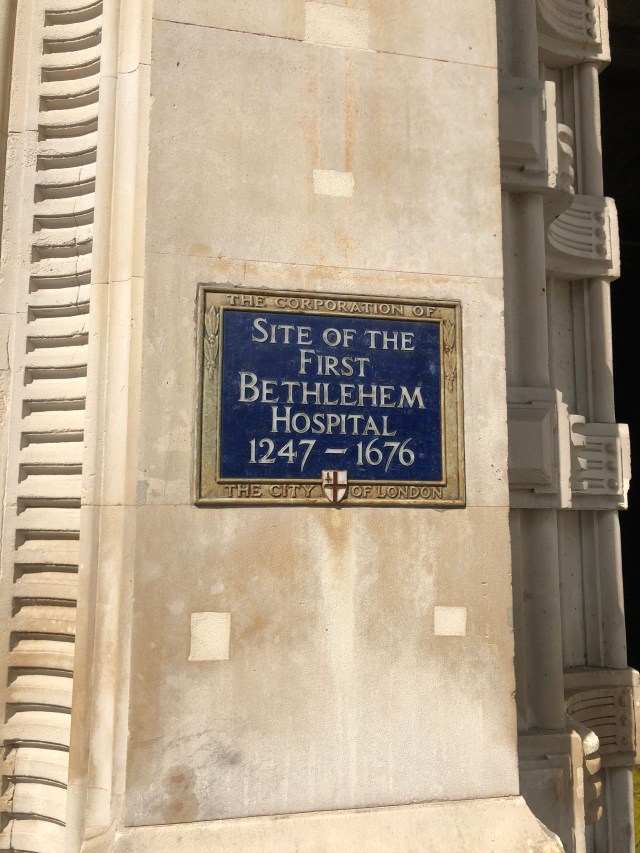
This plaque was hidden on the side of the wall and I almost walked past it because there was a truck parked almost right in front of it. I was disappointed that this was all that remains of the history at this site.
The Imperial War Museum also seemed to neglect its past. My group did not find the Bedlam plaque, but my friends in another group did. They said it was right by where I walked in. It must have been very small or insignificant for me to miss something right in front of me.
The museum also did a poor job remembering Great Britain’s involvement in the world wars. Inside were model planes and postcards with British propaganda. In my opinion, this portrayal was kitschy. I thought it shied away from how the country was also anti-Semitic and committed crimes against Jewish people. Instead, it focused on the “funny” and “cute” aspects of war. There was a lovely tin in the gift shop with 40 teabags that said “War Rations” in a beautiful font. I wanted to buy it, but then I remembered that absolutely no aspect of war should be glorified, no matter how seemingly harmless.
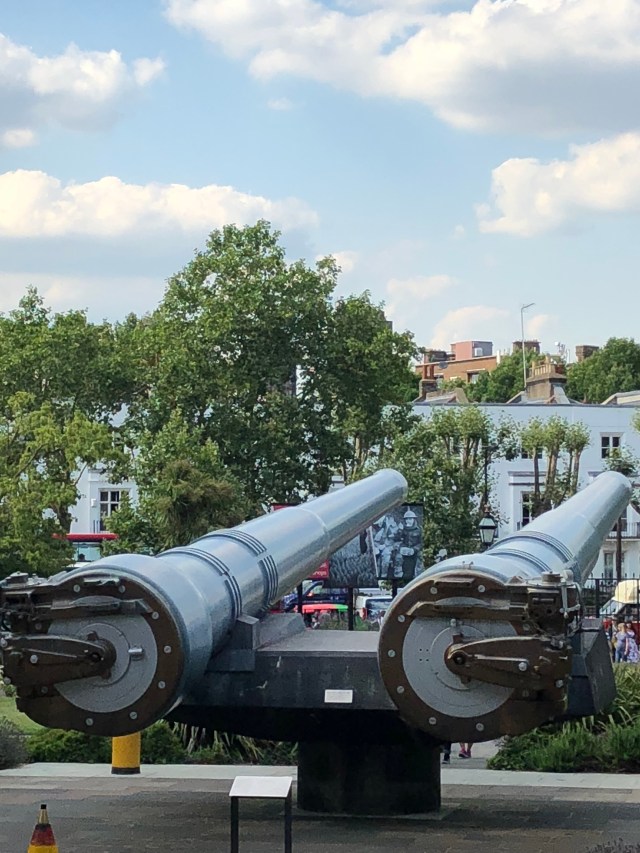
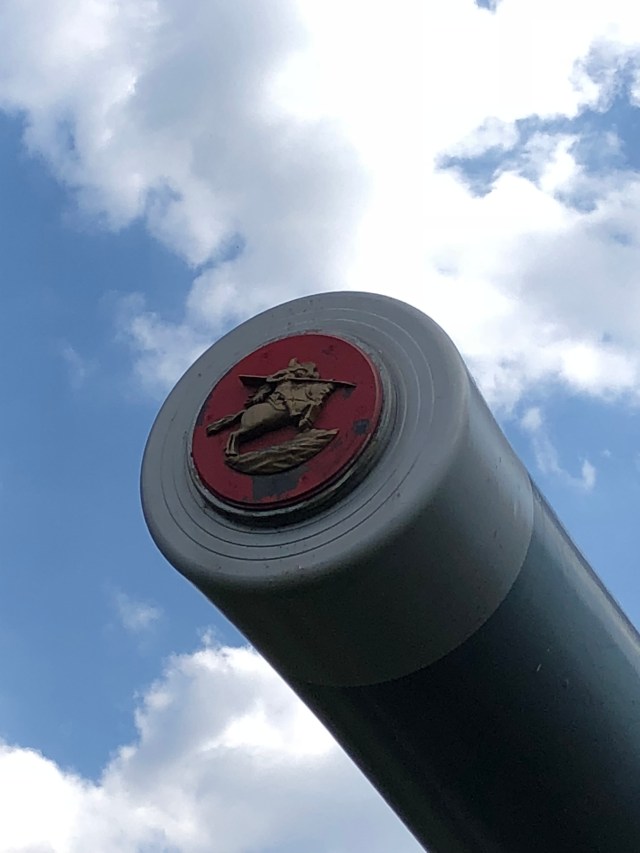
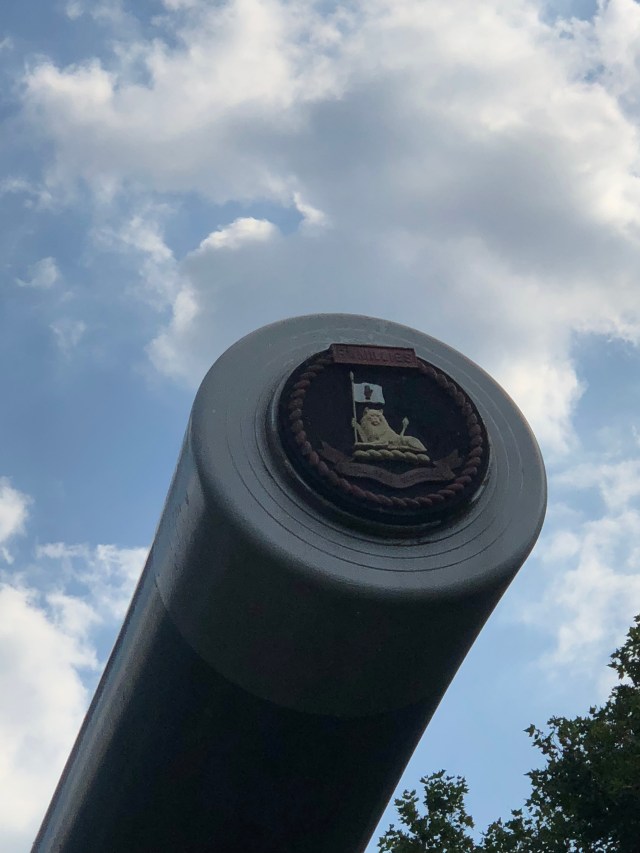
Overall, I felt like London has glossed over their history of inciting pain. Everyone wants to be remembered as the hero, but that is simply not the case in this country. These two places chose to neglect remembering Bedlam and the world wars in a meaningful way. Great Britain has fallen into the trap of selective memory.
 Eva's Blog