CAT 5: Selective Memory

As I toured around The Imperial War Museum and the Liverpool Street Station, I was struck by how little effort was put into remembering the atrocities of the hospital and the war. I believe these painful memories lends itself to a collective suppression of what actually happened. This country is ashamed of what it has done, and so selects what it wants to remember.

Bethlehem Royal Hospital was a place where those who could not function in society were forced to reside. In the “Historic Hospitals” link, it described the hospital as “a building that could house a large number of individuals, who at times might be disturbed or violent…to modern eyes the plan seems most closely allied to that of prisons” (Building Bedlam). This institution was built more to be a architectural feat than to provide care for those mentally disturbed. Despite the atrocities, mistreatment, and poor conditions at the hospital, there is very little remembrance for these victims. At the Liverpool Street Station, I asked two separate men who worked there where this plaque was. Neither of them knew what I meant or how to even point me in the right direction. I eventually did find it with little trouble because we saw another ASU group walking away from that area.
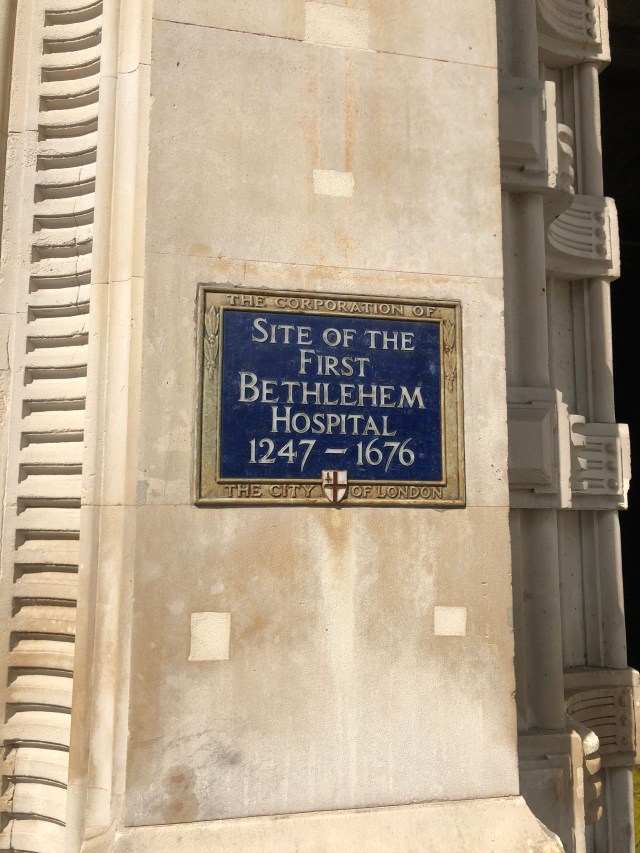
This plaque was hidden on the side of the wall and I almost walked past it because there was a truck parked almost right in front of it. I was disappointed that this was all that remains of the history at this site.

The Imperial War Museum also seemed to neglect its past. My group did not find the Bedlam plaque, but my friends in another group did. They said it was right by where I walked in. It must have been very small or insignificant for me to miss something right in front of me.

The museum also did a poor job remembering Great Britain’s involvement in the world wars. Inside were model planes and postcards with British propaganda. In my opinion, this portrayal was kitschy. I thought it shied away from how the country was also anti-Semitic and committed crimes against Jewish people. Instead, it focused on the “funny” and “cute” aspects of war. There was a lovely tin in the gift shop with 40 teabags that said “War Rations” in a beautiful font. I wanted to buy it, but then I remembered that absolutely no aspect of war should be glorified, no matter how seemingly harmless.
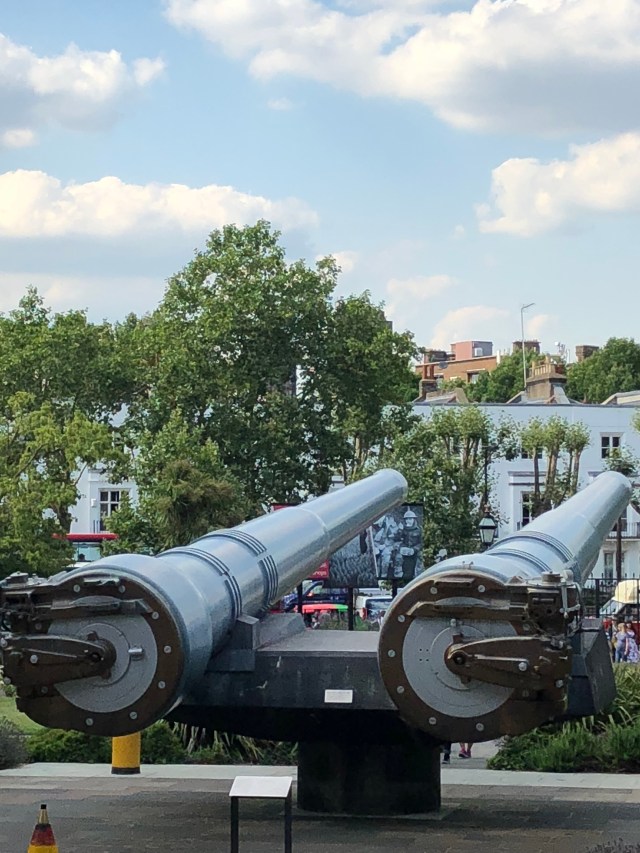
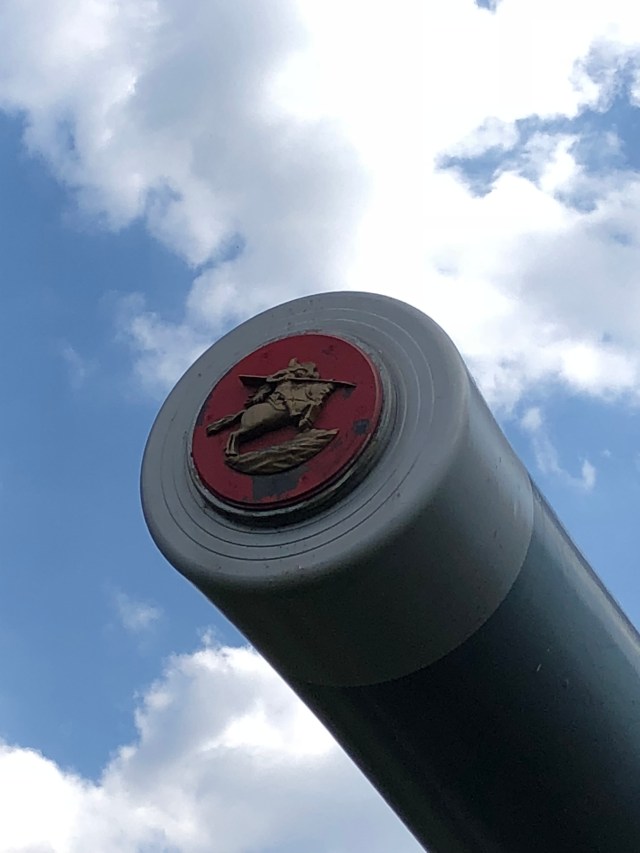
Overall, I felt like London has glossed over their history of inciting pain. Everyone wants to be remembered as the hero, but that is simply not the case in this country. These two places chose to neglect remembering Bedlam and the world wars in a meaningful way. Great Britain has fallen into the trap of selective memory.
CAT 4: Community in Brutalism

The Royal Festival Hall and the Barbican center in London show how a community area can combine different interests and aspects of the people into one experience. The sweeping architecture lends itself to a space ripe with opportunity for strategic community development that can bond people together.

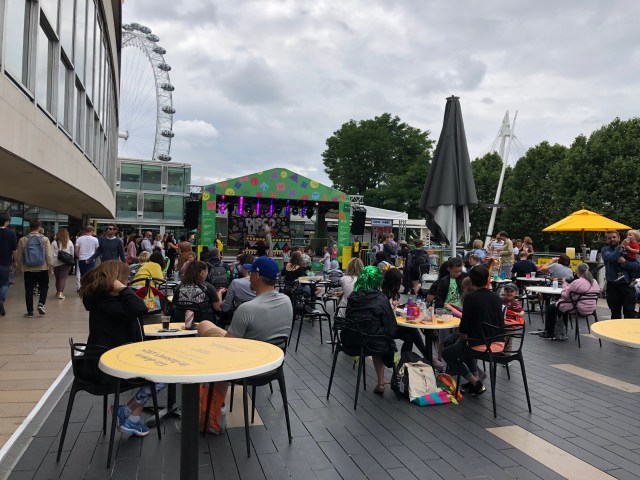
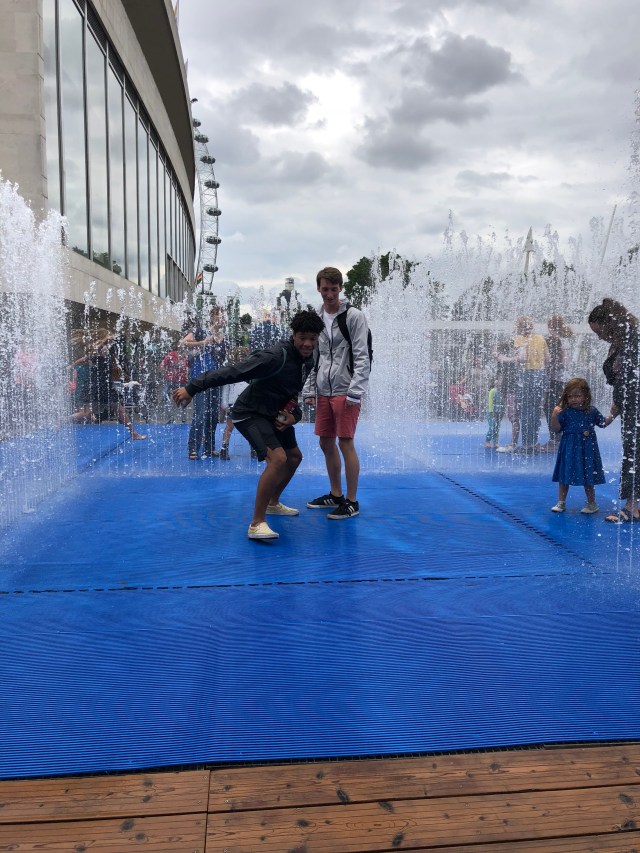
The Festival Hall was a happening place with activities for people of all ages. Outdoors was a booze truck for the adults and a hula-hooping contest for the kids. On the other side of the same area was a water formation that shot up water to enclose the participant, then went down so the kids could run around into different sections. I ran into an opening and was stuck with three children grabbing onto my legs to get away from the water splashing down on all sides.

Inside the hall was just as diverse. The bottom floor hosted an elderly couple practicing salsa, the middle floor had a cafe for younger students and professionals to do computer work, and the upper floor had a restaurant and bar for those classy and rich enough to afford it. On the seamen floor as the terrace bar was a poetry library that would make an excellent reading spot for children. Even the elevator had entertainment value, which I would find exciting at any age.

The adults also had an escape if they were less family-friendly orientated that day. The rooftop garden had a lovely place to sit and have a game of cards, or enjoy a beer on tap. There was a security guard of sorts at the stairs to make sure that no unruly children could slip through to the adults only part of the community. I really appreciated that the establishment cared for all types of people, not just those with kids to entertain.

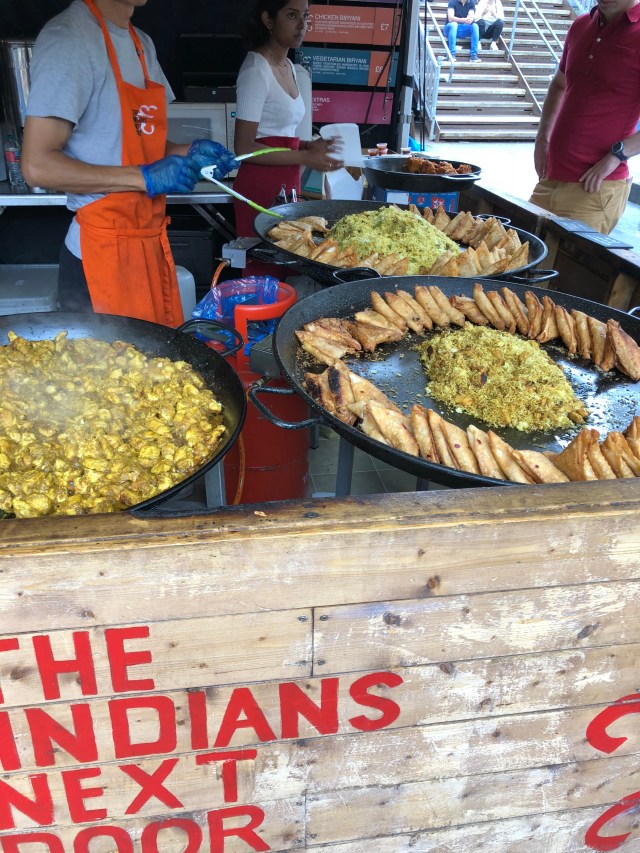
I enjoyed that this building and surrounding areas did not demand payment to exist in the space. Too many places in the United States are so focused on profit that we have to spend money to enjoy ourselves. At the festival hall, I could enjoy the scenery of the river, watch skateboarders, play in the water fountain contraption, and enjoy the flowering surroundings. Iain Borden notes in “Unknown City” that the hall “is one of the very few large public interiors that you can be in without becoming the subject of some controlling interest; unlike the typical public spaces of modernity—shopping malls, station concourses, airports, art galleries—there is no requirement to become a consumer, no obligation to follow a predetermined route through the building” (230). Though eventually, I did have to spend some money in the diverse food market on a vegetable samosa.

The brutalist building the Barbican also was a free community space to enjoy. It spanned a large area of the streets, and I did not realize that it was more than just the museum until I had left the main structure by several yards. This conglomerate had the AI museum, which I danced along with in the video below, a robotic bar, and several restaurants all in one part. Apartments surrounded the outside along with an outdoor pond area for the residents. I felt that it also was a place for the entire community. The exhibits were interesting enough for children and the adults could experience the AI mixing cocktails. Although the outside was not very beautiful and very unassuming, it was a welcoming place to hang around for a long period of time.

In the “Model for a Short-Lived Future?” article about the Barbican, Tsubaki writes that “To specialists from the worlds of design and architecture, the enormous concrete blocks with ostensibly harsh facades seemed vaguely sinister, even threatening” (540). The Barbican has taken great strides to improve the inside to welcoming and the opposite of sinister. This is truly a place for many different types of people to come together and experience brutalist architecture in a new and interesting way.

CAT 3: Health in Architecture

Architecture has the ability to heal people. This is shown in Karl Marx-Hof, the public pool Amalienbad, and the reading about the sanatorium.

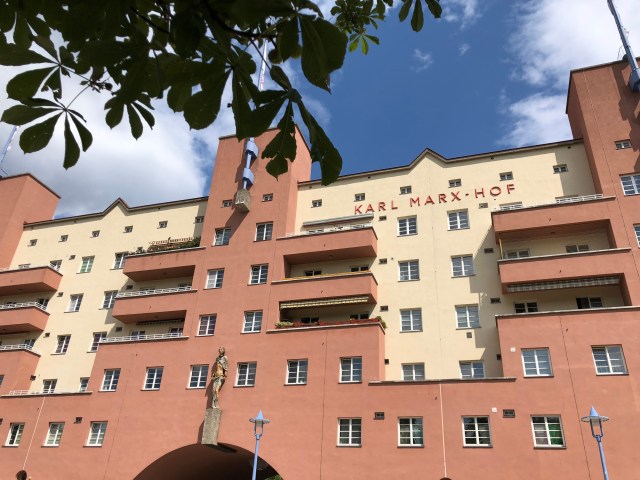
Karl Marx-Hof is a public housing community that was built during Red Vienna. These large complexes filled with apartments allowed for residents in Vienna to live at a lower cost as well as have access to improved hygiene. The workers of the time could not afford to live in sanitary conditions in the city, so the Social Democratic Party rose to power to represent their needs. The excessively rich were taxed for their luxury goods, and public social housing began to flourish.

With the advent of more sanitary conditions in Karl Marx-Hof and other housing, less people died of tuberculosis. There was a “mud room” that prevented residents from tracking outside mud and street bacteria into their close living quarters. They had windows to the outside that allowed sunlight in. The tour guide mentioned how the UV rays from sunlight has a slight sterilization ability to kill germs.

Residents also had their own toilet for each apartment instead of one on each floor for all tenants. Every apartment has running water, which was luxurious and unusual for the time. Although they bathed communally on one floor, it was cheap and most families could go once a week. These new developmentsu allowed for physical healing within the tenants. Diseases that had killed thousands of Viennese were less threatening, residents could bathe more accessibly, and the access to sunlight lifted the mood in the poor.

The Purkersdorf Sanatorium also implemented special architectural designs to help the patients with mental health issues. In “An Architecture for Modern Nerves: Josef Hoffman’s Purkersdorf Sanatorium,” Topp related an excerpt from the architect Lux who wrote about the sanatorium as a house of health, saying, “it is not only the bath facilities and ingenious muscle-strengthening machines which play an important role in this, but also light, air and sun…which stream through the windows.” He say how windows and fresh light and “good air” could mentally heal the patients. If seeing sunlight can help cure those afflicted with mental illness, it can also provide mental relief to those struggling to survive in Karl Marx-Hof.

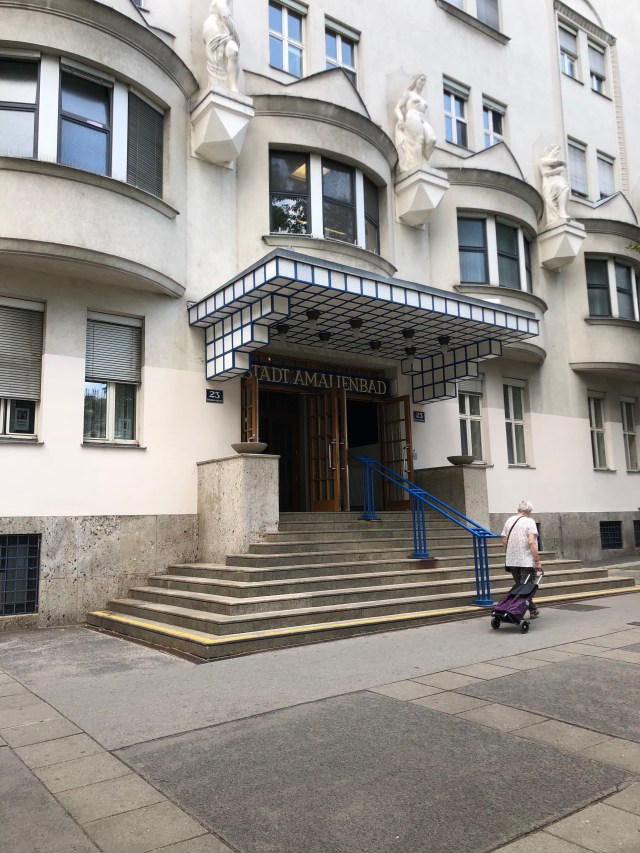
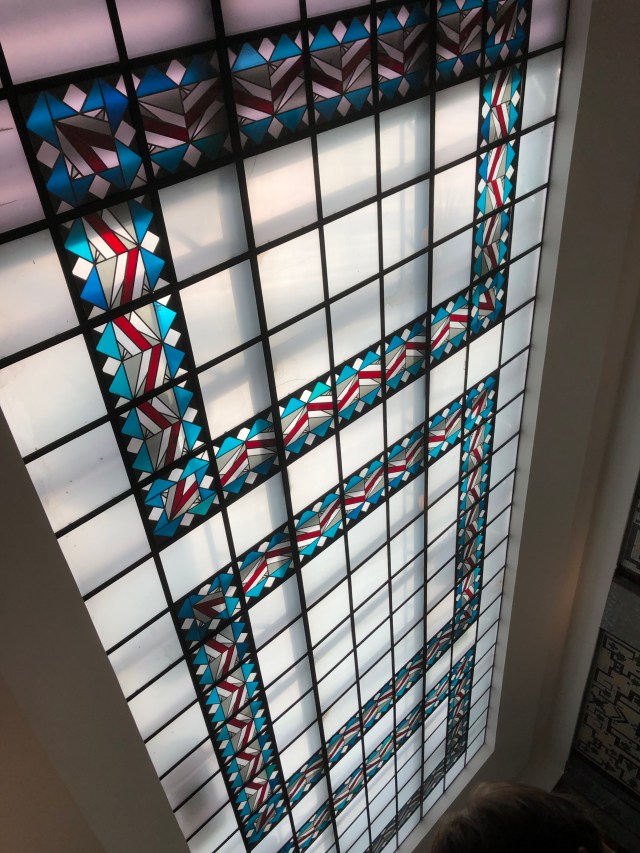
Another place built for health is Amalienbad, the public swimming pool. The desk worker said that between 1000 to 2000 people visit each day for the cheap price of four euros. I looked through the windows and saw many elder people doing laps and treading water. Hardly any children played in the pool from what I could tell of it. Natural sunlight poured in onto the pool area, and intricate jtiles lined the ceiling in the entrance. This was made to be a public exercise area that prioritizes the health of their customers.

CAT 2: Function in Dream Spaces

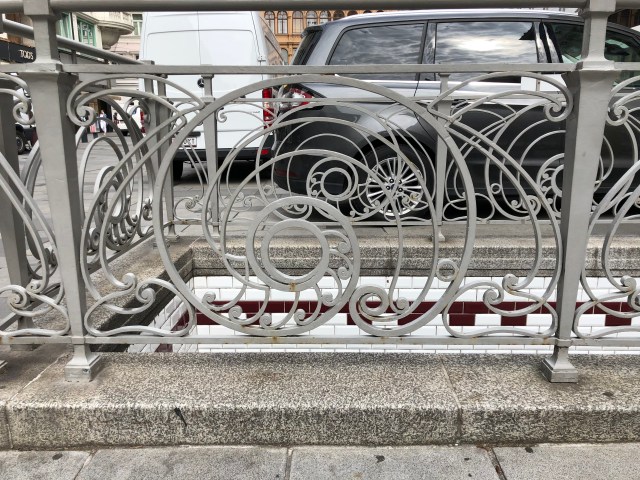
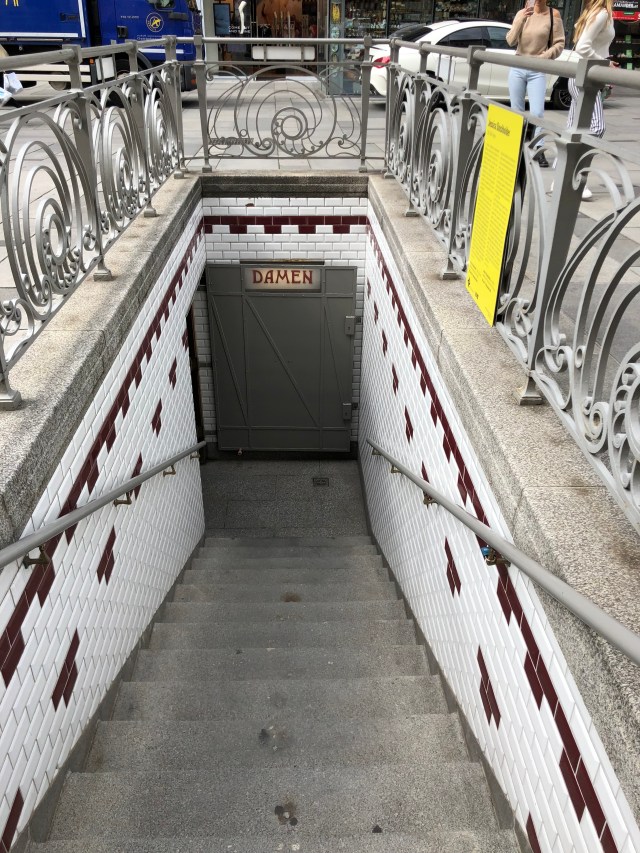
The areas I went around demonstrated functionality in Vienna. These new sites showed an emergence in interest for purposeful architecture that is not purely for show. The public underground bathrooms are an excellent example. The railing above ground are simple white with sparse conch shell pattern. The lack of ornate design is striking compared to the rest of Vienna around Ringstrasse. Additionally, the placement of the bathrooms underground is practical. It does not take up prime real estate in the busy square of Stephenplatz. Although the tile and wood inside was placed and carved nicely, it did not have any extra and unnecessary and lavish decorations that would detract from actually using the toilet. The architect of these bathrooms, Adolf Loos, said “it is a crime against the national economy that it should result in a waste of human labor, money, and material” in response to the devastating impact of intense ornamentation. Clearly, Loos favored less florid designs.

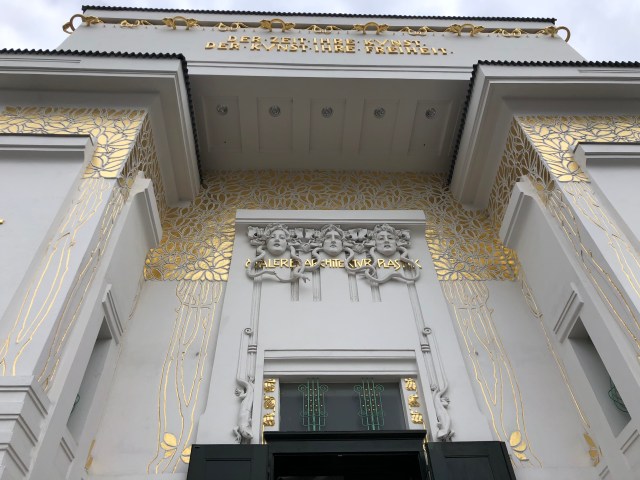
The secessionist art building is a beautiful display of restrained modern faces with white and gold touches. The beginning of modern design saw a decrease in ostentatious designs which broke away from the Baroque style. The “Arts Terms: Secession” link describes this turning point the Vienna Secession, which “played a major part in the broader art nouveau movement and the beginnings of modern design.” The exterior is plain compared to other Viennese buildings. It is open and refreshing. There was nothing that did not need to be there or that got in the way of the experience. I felt I could actually understand the building and see all there was to see. Compared to other Baroque buildings where I felt inundated with imagery, this architecture was more pleasant for the observer. Even the exhibits inside were spaced out enough to actually enjoy the art instead of being overwhelmed. Both the bathroom and the secessionist building had artistic touches, but no extra ornaments.

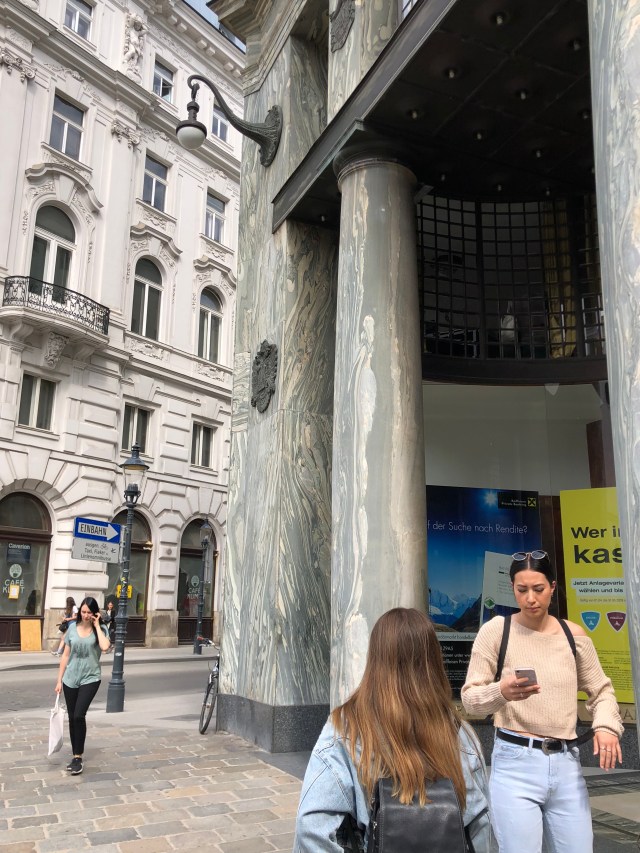
The bank called Looshaus was equally driven by functionality. Although this building departs dramatically from secessionist buildings, it prioritizes the function.The outside is relatively plain with just the name of the bank on the outside. Marble columns stand in front, however these are not detailed with carvings and it provides structural support. The marble adds a hint of beauty, but not in an exaggerated way. The flower boxes above some of the windows is an added touch that originated due to the Viennese wanting “eyebrows” for each window. The architect Adolf Loos obliged because the flowers do not detract from the purpose, even though it is unnecessary. This time period in Vienna shows how the architects and artists of the time favored using less intricate modes of design to transition into modernism and promote intention while creating.

CAT 1: Ringstrasse

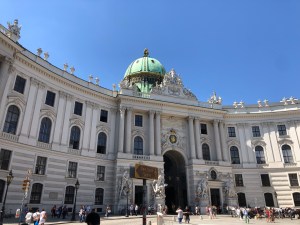
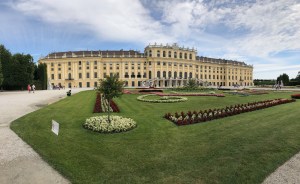
The reign of the Hapsburg Empire brought about a plethora of astounding architectural feats and many differing styles throughout their long years in power. The buildings that came about during this time are opulent and grandiose. Although the Hapsburg were considered frugal with their spending, as the tour guide noted at Schonbrunn, the buildings did not entirely reflect that. The summer palace was incredibly large and the outdoor grounds we walked through would take many hours to cover. Each room had at least something gold in it. Additionally, one Hapsburg king had his own private zoo at the place with exotic animals from around the world. Perhaps this is normal for royalty, but they are still hypocrites for claiming to be sparse in the design of the palace. Although one ruler chose to sit in a relatively plain chair at his desk to show that he was not above everybody else, the extravagance far outweighs any lowly show of modesty. This exhibit of the frugality of the Hapsburgs is fraudulent. A further example is at Hofburg. The Hapsburgs had a huge number of servants for dinner, which is made evident by the sheer number of tableware required for one meal. Another example of their wealth is rooms stacked full with custom sets of serving dishes. One set made from porcelain is the only set in the world with that color of green. Having one simple chair does not make up for their greed and grandeur in other areas.

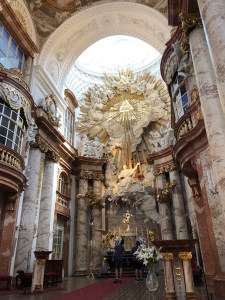
St. Charles’ Church is another great example of Hapsburg wealth. The church is technically named after a saint, but the emperor Charles VI spearheaded the project as a way for his name to be remembered. The inside is opulent marble and gold. It is considering the most elaborate Baroque church in Austria. The young elevator operator pointed out details in the far reaches of the church that the average church-goer would not notice. Going up the elevator into the small structure that overlooked the church allowed me to see how much money went into the design and building processes. This lack of care for spending money to make amazing structures does not fall in line with the preaching of modesty that comes from the Hapsburgs. Most empires also built ornate structures, but did not attempt to be seen as frugal. Perhaps this speaks to the intense wealth of the empire if those rulers considered Schonbrunn, Hofburg, and St. Charles’ Church to be economical.

Design a site like this with WordPress.com
Get started